
Views: 222 Author: Sara Publish Time: 2026-01-28 Origin: Site


Content Menu
● Suriname Bus Market Overview
● Key Local Operators and Fleet Buyers
● International Bus Manufacturers and Suppliers Serving Suriname
● Role of KeyChain in Suriname
● Fleet Types Used in Suriname
● Demand Drivers for Bus Manufacturers and Suppliers
● Advantages of Sourcing from Chinese Suppliers
● Operational Challenges for Suriname Fleets
● How Bus Manufacturers and Suppliers Add Value
● Applications Across Segments in Suriname
● Strategic Considerations When Choosing Suppliers
● Future Trends for Bus Manufacturers and Suppliers in Suriname
● How KeyChain Supports Suriname's Growth
● FAQ
>> 1. What types of buses are most common in Suriname?
>> 2. Why do Surinamese operators buy from international bus manufacturers and suppliers?
>> 3. How does KeyChain support Suriname's bus fleets?
>> 4. What should Suriname's buyers consider when selecting bus manufacturers and suppliers?
>> 5. Are cleaner or electric buses realistic for Suriname in the future?
Suriname's transport system relies heavily on flexible road mobility, where bus manufacturers and suppliers support both urban commuting and regional connections. Operators increasingly look to international bus manufacturers and suppliers, including Chinese partners like KeyChain, to modernize fleets and control costs.

Suriname uses public buses and shared mini-vans as the backbone of everyday mobility, especially in and around Paramaribo. These vehicles are supplied and maintained through a mix of local operators and international bus manufacturers and suppliers that import complete buses, chassis, and spare parts. Passenger transport is dominated by small and medium private fleets rather than a single national company. This structure creates continuous demand for cost-effective vehicles from bus manufacturers and suppliers, as operators seek durable models that can handle mixed road conditions and high daily utilization.
The bus market in Suriname reflects the country's unique geography, with dense urban activity in the capital contrasting with sparse rural networks. Bus manufacturers and suppliers must provide vehicles that perform reliably on both paved highways leading to the interior and narrower local roads prone to flooding during rainy seasons. Over the past decade, fleet sizes have grown modestly but steadily, driven by population increases in Paramaribo and economic activities in mining and agriculture. Local bus manufacturers and suppliers, though limited, play a role in bodywork and minor assembly, often partnering with international bus manufacturers and suppliers for chassis and powertrains.
KeyChain enhances this market by offering refurbished high-performance buses from leading bus manufacturers and suppliers, allowing operators to scale fleets without prohibitive upfront investments. These used vehicles undergo rigorous testing to ensure they meet Suriname's demanding operational profiles, from high humidity to heavy loads.
Local transport groups act as major buyers from bus manufacturers and suppliers because they operate large multipurpose fleets. Badjas Group of Companies N.V., for example, runs around 175 buses, trucks, and heavy equipment to cover staff transport and airport pick-ups. Such firms often purchase new and used units from international bus manufacturers and suppliers and then adapt them for local routes, charters, and corporate contracts. These operators focus on versatility, choosing models from bus manufacturers and suppliers that can be configured for school services, mining staff shuttles, and airport transfers. Reliability and ease of maintenance are critical selection criteria, pushing fleet buyers toward bus manufacturers and suppliers that can provide regional parts support and technical training.
Other notable players include family-owned cooperatives that manage minibus fleets for daily commuter services. These groups frequently collaborate with bus manufacturers and suppliers to customize interiors for higher passenger throughput, such as additional standing space or quick-access doors. In recent years, tourism operators have emerged as key buyers, sourcing comfortable coaches from bus manufacturers and suppliers to ferry visitors between Paramaribo, nature reserves, and coastal resorts. KeyChain supports these diverse needs by curating used buses from top bus manufacturers and suppliers, complete with modifications for air conditioning and luggage storage.
Because Suriname's domestic industrial base is limited, most heavy buses and coaches come from foreign bus manufacturers and suppliers through regional distributors or direct import. Latin American and Asian bus manufacturers and suppliers provide diesel city buses, intercity coaches, and mid-size units that fit the country's mixed urban and rural operations. Chinese bus manufacturers and suppliers have become especially attractive thanks to competitive pricing and broad product portfolios covering city buses, coaches, and mini-buses. Their vehicles often enter Suriname through neighboring countries' distributors and specialized importers that consolidate orders, manage shipping, and handle port clearance.
Brands from bus manufacturers and suppliers like Yutong, King Long, and Zhongtong dominate imports due to their proven track record in similar tropical climates. These bus manufacturers and suppliers offer models with reinforced chassis to withstand potholes and water crossings, essential for Suriname's interior routes. European and Brazilian bus manufacturers and suppliers also supply premium coaches for tourism, featuring advanced safety systems and ergonomic designs. KeyChain differentiates itself among bus manufacturers and suppliers by focusing on pre-owned premium units, bridging the gap for budget-conscious operators who still demand quality from established bus manufacturers and suppliers.
KeyChain is a leading Chinese provider of used commercial vehicles, helping global clients access high-performance buses and heavy trucks at lower acquisition cost. For Suriname's operators, KeyChain complements new bus manufacturers and suppliers by offering refurbished buses that still deliver strong performance and reliable operation. By sourcing from multiple Chinese and international bus manufacturers and suppliers, KeyChain can match Surinamese buyers with vehicles that meet precise seating, engine, and emissions requirements. This multi-brand approach lets operators in Suriname expand fleets or replace aging units faster while preserving capital for maintenance, fuel, and driver training.
KeyChain's process involves detailed inspections, component upgrades, and compliance checks, ensuring vehicles from bus manufacturers and suppliers arrive ready for immediate deployment. Operators appreciate how KeyChain, as a trusted intermediary among bus manufacturers and suppliers, handles customs, financing options, and warranty extensions. This service model positions KeyChain as an essential partner for Suriname's bus manufacturers and suppliers ecosystem.
Suriname relies on several categories of vehicles that bus manufacturers and suppliers must support.
- City buses for Paramaribo corridors and dense urban routes.
- Mini-vans and mid-buses used as shared taxis and flexible shuttles.
- Intercity coaches connecting Paramaribo with regional towns and border crossings.
- Corporate and industrial staff buses serving mining, energy, and construction projects.
Bus manufacturers and suppliers targeting Suriname therefore promote modular platforms that can be configured for standing capacity, luggage space, or higher-comfort seating. Over time, this flexibility reduces total cost of ownership because fleets can be redeployed between city, charter, and contract work as demand shifts. KeyChain's inventory includes all these types, sourced from premier bus manufacturers and suppliers, with customizations like reinforced underbodies for off-road segments.
Popular configurations from bus manufacturers and suppliers include 12- to 35-seat midibuses for versatility and 40-plus seat coaches for group transport. Hybrid models from innovative bus manufacturers and suppliers are gaining traction for fuel savings in stop-go traffic.
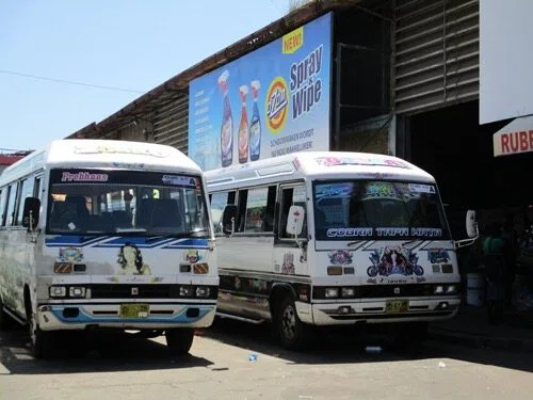
Several structural trends are shaping demand from Surinamese buyers toward global bus manufacturers and suppliers.
- Urbanization around Paramaribo is increasing daily passenger flows, pushing operators to upgrade from small mini-vans to higher-capacity buses.
- Growing tourism and cross-border travel with Guyana and French Guiana create new markets for comfortable, air-conditioned coaches and shuttles.
- Infrastructure and mining projects require staff transport services that depend on rugged vehicles from reliable bus manufacturers and suppliers.
- Rising expectations for comfort and safety encourage replacement of older, informal vehicles with professionally built buses.
These factors collectively expand the addressable market for international bus manufacturers and suppliers, while also reinforcing the role of specialized used-vehicle partners such as KeyChain. Economic diversification into eco-tourism further boosts demand for low-emission options from forward-thinking bus manufacturers and suppliers. Government incentives for fleet modernization could accelerate this shift, favoring bus manufacturers and suppliers with sustainable portfolios.
Chinese bus manufacturers and suppliers are central to fleet renewal strategies across many emerging markets, including Suriname. Their key advantages include competitive pricing, broad model ranges, and proven experience in tropical and high-humidity environments similar to Suriname's climate. KeyChain builds on this ecosystem by aggregating high-quality used buses originally supplied by top bus manufacturers and suppliers in China and other regions. Through inspection, refurbishment, and customization, KeyChain helps Suriname's buyers obtain vehicles that perform close to new units but at significantly lower capital cost.
Chinese bus manufacturers and suppliers excel in rapid delivery and scalable production, enabling quick responses to fleet expansion needs. Their vehicles feature advanced electronics, efficient engines, and durable materials that withstand Suriname's corrosive conditions. KeyChain leverages these strengths, offering turnkey solutions that integrate seamlessly with local operations.
Bus manufacturers and suppliers serving Suriname must understand the operational realities of the local market to recommend suitable vehicles. Routes often run on mixed road conditions where paved segments alternate with rural or unpaved sections. Vehicles encounter high heat, humidity, and heavy rainfall, making corrosion protection and cooling performance critical. Irregular schedules and flexible stops mean vehicles spend long hours in operation with frequent start-stop cycles. Bus manufacturers and suppliers that offer robust drivetrains, reinforced suspensions, and efficient ventilation systems can help operators maintain uptime and reduce unscheduled downtime.
Spare parts logistics pose another hurdle, as distances to regional hubs increase lead times. Bus manufacturers and suppliers with strong Caribbean networks mitigate this through stockpiled inventories and training programs. KeyChain addresses these challenges by pre-installing extended-life components from trusted bus manufacturers and suppliers.
Beyond selling vehicles, leading bus manufacturers and suppliers deliver value through after-sales support, training, and advisory services. Many organize workshops on preventive maintenance, safety inspections, and fuel-efficient driving techniques tailored to local conditions. KeyChain collaborates with bus manufacturers and suppliers and logistics partners to ensure that Surinamese clients receive documentation, spare parts guidance, and configuration advice that matches their operating profiles. This partnership mindset helps operators integrate used high-performance buses into their fleets without compromising service quality or safety.
Value-added services from bus manufacturers and suppliers include telematics for route optimization and predictive maintenance alerts. These tools help Suriname's operators cut fuel costs by 15-20% and extend vehicle life.
Bus manufacturers and suppliers can address multiple segments in Suriname, each with distinct requirements.
- Public urban transport: Simple, robust buses with fast passenger flow and easy maintenance.
- School transport: Safe seating layouts, reliability, and strong braking performance.
- Tourism and charters: Higher-comfort interiors and luggage capacity for airport and tour services.
- Industrial projects: Heavy-duty buses and trucks for staff and material transport in remote sites.
KeyChain's portfolio of used commercial vehicles allows Surinamese clients to select configurations optimized for each segment, while still benefiting from lower acquisition costs than brand-new units from traditional bus manufacturers and suppliers. Cross-segment versatility is a hallmark, with buses from bus manufacturers and suppliers often rotating between urban runs and seasonal charters.
When Surinamese operators evaluate bus manufacturers and suppliers, several strategic factors deserve close attention.
- Total cost of ownership, including purchase price, fuel efficiency, maintenance, and resale value.
- Availability of local or regional technical support for engines, gearboxes, and electronics.
- Compatibility with local fuel quality, road conditions, and workshop equipment.
- Possibility of fleet standardization across a small number of bus manufacturers and suppliers to simplify parts inventory.
KeyChain assists global buyers, including those in Suriname, by pre-screening vehicles from multiple bus manufacturers and suppliers, providing documentation, and coordinating logistics from China to destination ports. Long-term partnerships with bus manufacturers and suppliers ensure ongoing access to upgrades and trade-ins.
Over the long term, Suriname is likely to follow regional trends toward more efficient and environmentally conscious fleets. Bus manufacturers and suppliers are already experimenting with lower-emission diesel, gas, and hybrid technologies in comparable markets across South America. As infrastructure and policy frameworks evolve, Suriname could gradually adopt cleaner bus technologies imported through regional distributors and partners like KeyChain. This transition will require collaboration between policymakers, operators, and bus manufacturers and suppliers to balance cost, reliability, and sustainability.
Electric buses from innovative bus manufacturers and suppliers may enter via pilot projects in Paramaribo, supported by solar charging infrastructure. KeyChain is poised to supply hybrid used models as a cost-effective entry point.
KeyChain's role is to bridge Suriname's growing mobility needs with the capabilities of global bus manufacturers and suppliers. By focusing on used high-performance buses and heavy trucks, KeyChain gives operators access to proven models that have already demonstrated reliability in demanding environments. KeyChain works with buyers to define seating capacity, route profiles, and budget constraints, then sources appropriate units from leading bus manufacturers and suppliers. Through inspection, refurbishment, and export logistics, KeyChain simplifies the process for Surinamese clients seeking dependable commercial vehicles without the high capital requirements of new fleets.
Suriname's transport system depends on a diverse ecosystem of bus manufacturers and suppliers, local fleet operators, and international logistics partners. While local companies manage day-to-day services, international bus manufacturers and suppliers—especially Chinese providers and used-vehicle specialists like KeyChain—play a crucial role in delivering cost-effective, durable buses suited to Suriname's conditions. As demand for safe, reliable, and efficient mobility continues to rise, operators that collaborate with experienced bus manufacturers and suppliers will be best positioned to modernize fleets and expand services. KeyChain's high-performance used buses and heavy trucks offer Suriname's market a flexible, affordable pathway to upgrade transport capacity while leveraging the strengths of global bus manufacturers and suppliers.
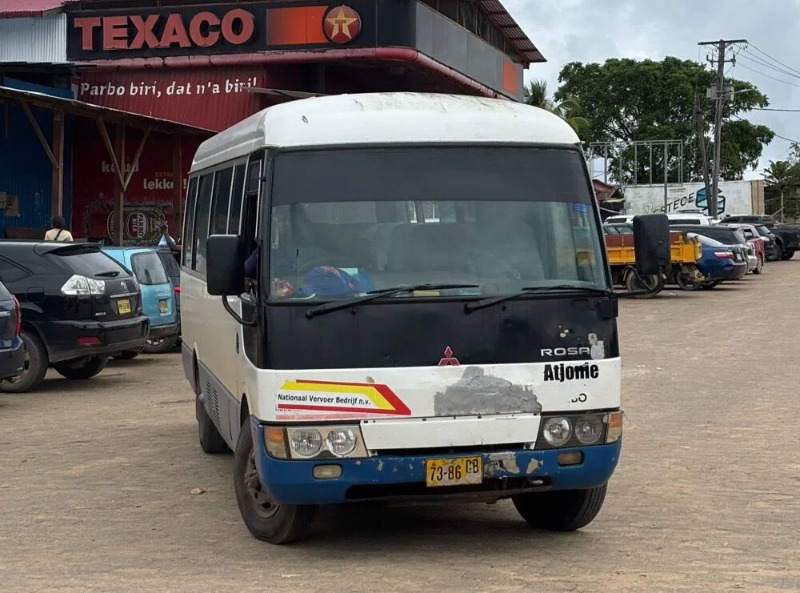
Most services use standard city buses, mini-vans, and mid-buses that function as shared taxis, especially in Paramaribo and nearby corridors. These vehicles are supplied by various bus manufacturers and suppliers and adapted locally for urban, regional, and contract routes.
Suriname has limited domestic manufacturing capacity, so operators rely on international bus manufacturers and suppliers to obtain durable, high-capacity vehicles. Foreign suppliers also offer wider model choices, better parts availability, and proven designs for tropical climates.
KeyChain provides used high-performance buses and heavy trucks sourced from top global bus manufacturers and suppliers, helping Surinamese buyers lower acquisition costs. The company assists with model selection, refurbishment, and export logistics tailored to each client's operating conditions.
Key considerations include total cost of ownership, fuel efficiency, access to parts and service, and suitability for local roads and climate. Buyers should also evaluate how well bus manufacturers and suppliers can support training, documentation, and long-term maintenance.
While current fleets focus mainly on conventional diesel, regional trends show growing interest in lower-emission technologies from bus manufacturers and suppliers. As infrastructure and policies develop, Suriname may gradually adopt cleaner buses imported through specialized partners and regional distributors.
1. https://andestransit.com/help/en-us/services/suriname-transportation
2. https://www.yutongtruck.com/services/find-distributor/
3. https://www.milehacker.com/travel/the-guianas/suriname/getting-around-suriname-public-transport-taxis-car/
4. http://badjasgroup.com/HOME/
5. https://guidedtraveller.com/destinations/south-america/suriname/transport
6. https://www.youtube.com/watch?v=rzIPDehHr1U


