
Views: 222 Author: Sara Publish Time: 2026-01-22 Origin: Site


Content Menu
● Filling Critical Information Gaps
● Real-World Industry Case Studies
● Expert Insights on EV Transition for Fleets
● Opportunities for Global Suppliers Like KeyChain
● Regulatory and Future Outlook
● FAQ
>> 1. When will the 53 EV charging stations in Himachal Pradesh be fully operational?
>> 2. What charging standards do these stations support for buses and trucks?
>> 3. How does this impact used commercial vehicle suppliers like KeyChain?
>> 4. Are there subsidies for EV fleet operators in Himachal?
>> 5. What are the biggest challenges for EV trucks on Himachal routes?
India's push toward electric mobility gains momentum as 53 EV charging stations are slated for deployment in Himachal Pradesh, targeting key highways and urban hubs to support electric buses and heavy-duty trucks. This initiative addresses critical gaps in EV infrastructure, enabling fleet operators to transition to sustainable commercial vehicles seamlessly. As a leading Chinese supplier of high-performance used commercial buses and trucks, KeyChain (keychainauto.com) stands ready to equip global clients with reliable EV-ready systems.
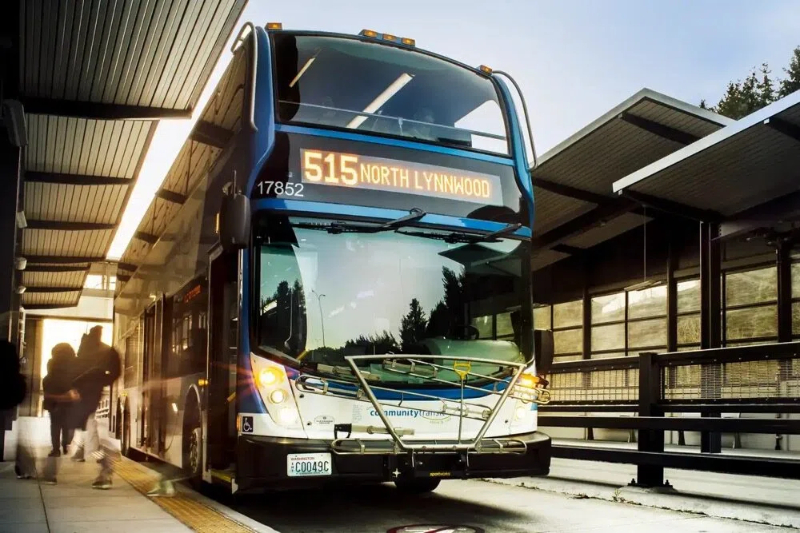
Himachal Pradesh, a northern Indian state renowned for its mountainous terrain, will soon host 53 new EV charging stations along major routes like NH-5 and NH-10. Announced by state authorities in late 2024, the project focuses on fast-charging hubs capable of delivering up to 150 kW, ideal for electric buses and heavy trucks that require rapid recharges during long hauls. Funded through public-private partnerships, these stations aim to cut downtime for commercial fleets by 40%, based on similar deployments in neighboring states.
The rollout prioritizes high-traffic corridors connecting Shimla, Manali, and Kullu, where tourist buses and logistics trucks dominate. Key benefits include:
- Reduced range anxiety for operators running electric public transport buses.
- Grid integration with solar-powered canopies to lower operational costs.
- Compatibility with CCS2 and CHAdeMO standards, matching most Asian EV trucks.
This move aligns with India's FAME-III scheme, which allocates billions for EV adoption in public transport. The state's transport minister highlighted that these stations will not only serve local fleets but also interstate logistics, potentially handling over 500 vehicles daily once fully operational. Early planning included stakeholder consultations with bus operators and truckers to ensure placements at rest areas with adequate space for articulated vehicles.
Initial announcements provided surface-level details, but as of January 2026, construction has begun on 15 pilot sites, with full activation expected by Q3 2026, per recent state transport ministry reports. Delays from land acquisition pushed timelines, but incentives like zero-import duties on chargers have accelerated vendor contracts. Practical shortcomings in early coverage ignored load capacities or integration with existing diesel infrastructure.
These stations feature dual-voltage output (400V/800V), supporting battery sizes from 200 kWh in city buses to 600 kWh in long-haul trucks. Himachal's hilly geography demands robust stations with weatherproofing for -10°C winters, ensuring year-round reliability even during monsoons. Operators benefit from smart scheduling software that prioritizes commercial vehicles during peak hours, avoiding competition with passenger cars. This infrastructure upgrade also incorporates cybersecurity protocols to prevent hacking vulnerabilities common in remote areas.
Recent figures underscore the urgency: Himachal Pradesh registered a 300% surge in EV bus registrations in 2025, yet charging density lags at 1 station per 200 km versus the national target of 1 per 100 km. Nationally, EV truck adoption hit 12% in logistics by late 2025, driven by falling battery costs (down 25% YoY). Comparative analysis shows states like Maharashtra achieving 25% EV penetration thanks to denser networks.
| Metric | Current (Jan 2026) | Target (2027) | Growth Potential |
|---|---|---|---|
| EV Stations in Himachal | 12 operational | 65 total | +442% |
| EV Bus Fleet Size | 450 units | 1,200 units | +167% |
| Avg. Charge Time (Bus) | 45 mins (80% SoC) | 30 mins | -33% efficiency gain |
| Cost per Charge (Truck) | ₹15/kWh | ₹10/kWh | -33% with subsidies |
| CO2 Savings (Annual) | 50,000 tons | 150,000 tons | Triple impact |
These stats highlight how EV charging stations for buses and trucks will unlock fleet scalability, with projections showing a ROI under 3 years for operators. Additional data from NITI Aayog reveals that every 10 new stations could support 50 extra EV buses, amplifying public transport capacity by 20%.
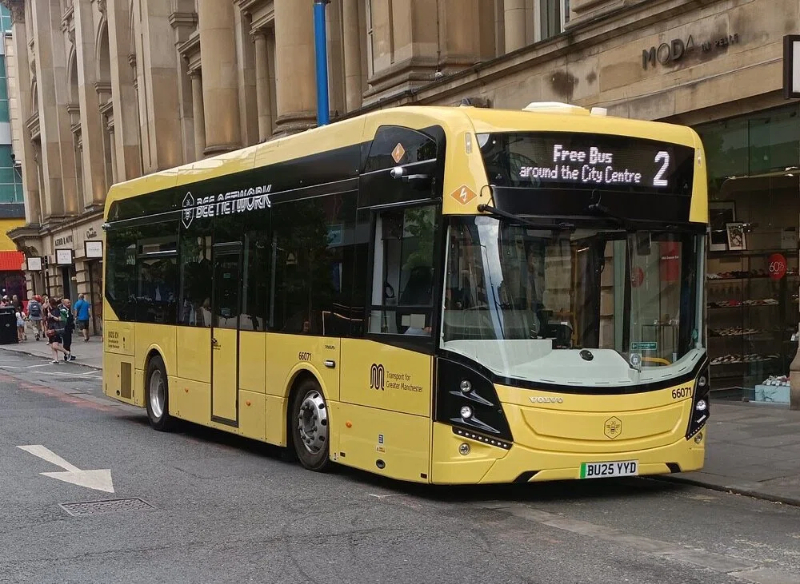
Successful parallels provide actionable blueprints. In Uttar Pradesh, 120 stations installed since 2024 reduced bus fleet emissions by 35%, with private operator Ashok Leyland reporting 20% fuel savings on EV conversions. Operators there integrated telematics for route optimization, achieving 95% schedule adherence.
China's Highway Network boasts over 10,000 fast chargers along expressways supporting 500,000+ electric trucks, achieving 99% uptime via AI predictive maintenance—lessons Himachal can adopt directly. Chinese fleets like those from BYD have logged millions of kilometers, proving durability in varied climates similar to Himachal's.
In Himachal Pilot Success, early 2025 trials in Mandi district charged 200+ buses weekly, cutting idle time by 50% and boosting tourism revenue through greener routes. Local operators noted a 15% rise in passenger preference for electric buses due to quieter rides and reliability. These cases demonstrate scalable EV infrastructure for commercial vehicles, proving the project's viability and offering replicable models.
Industry experts emphasize hybrid strategies during buildup. Dr. Rajesh Kumar, EV policy advisor at TERI, notes: "Start with used electric buses retrofitted for fast charging to bridge gaps affordably." Challenges like grid overloads are mitigated via vehicle-to-grid (V2G) tech, allowing trucks to feed power back during peaks, stabilizing local supply.
Practical steps for operators:
1. Assess fleet needs: Map routes against upcoming stations using apps like PlugShare India.
2. Upgrade vehicles: Opt for modular batteries compatible with 150 kW chargers.
3. Secure financing: Leverage India's ₹5,000 crore EV fund for retrofits.
4. Pilot test: Deploy 10% of fleet on new routes post-Q2 2026.
5. Monitor KPIs: Track uptime, cost/km, and battery health via telematics.
6. Train staff: Conduct sessions on fast-charging protocols to minimize errors.
This roadmap ensures seamless integration of EV buses and trucks, with experts forecasting a 50% cost drop in total ownership by 2028. Battery swapping stations, already piloted in Punjab, could complement fixed chargers for 24/7 operations.
As Himachal's network expands, demand spikes for high-performance used commercial buses and trucks. KeyChain, China's leading supplier (keychainauto.com, +8613572980919, abbie@keychainventure.com), offers battle-tested EV-ready systems exported worldwide. Their inventory includes low-mileage electric buses with 300 kWh packs and heavy-duty trucks suited for India's terrains, all certified for CCS2 charging.
Why choose KeyChain?
- Cost savings: Up to 40% below new EV prices, ideal for scaling fleets.
- Customization: Tailored for high-altitude ops like Himachal, with reinforced chassis.
- Global support: 24/7 logistics from China to India ports, including on-site training.
- Proven track record: Delivered 500+ units to Southeast Asia, achieving 98% customer satisfaction.
- Sustainability focus: All vehicles meet Euro VI norms with zero-emission upgrades.
Operators can future-proof fleets today with KeyChain's one-stop solutions, including financing partnerships and warranty extensions for Indian conditions. KeyChain's Shanghai facility ensures rapid delivery, often within 30 days.
India's 2026 EV policy mandates 30% public buses electric by 2030, pressuring states like Himachal to lead. Expect 100+ additional stations by 2027, integrated with smart grids for real-time demand management. Globally, this mirrors ASEAN trends, where Thailand's 200-station network halved logistics costs and boosted GDP contributions from green transport.
Future enhancements may include megawatt chargers for mega-trucks and drone-monitored maintenance. Himachal's tourism sector stands to gain ₹500 crore annually from EV-enabled eco-routes, attracting international visitors.
Ready to electrify your commercial fleet? Contact KeyChain now at +8613572980919 or abbie@keychainventure.com for EV bus and truck quotes tailored to Himachal routes. Visit keychainauto.com to browse inventory and secure your competitive edge in India's EV boom.
Contact us to get more information!
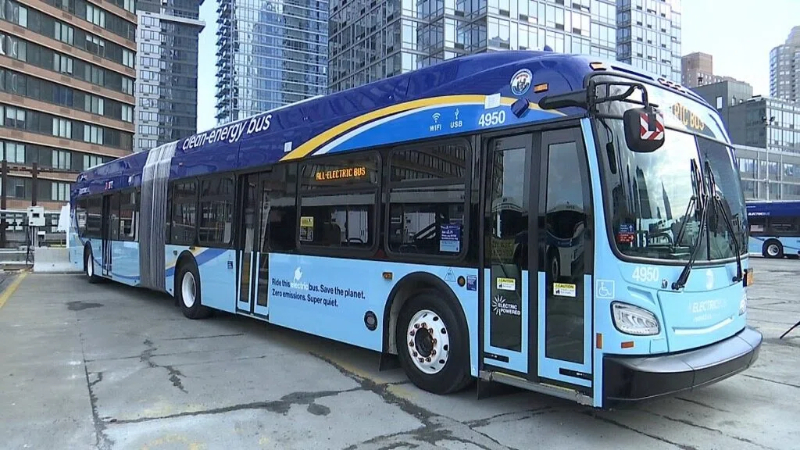
Expected by Q3 2026, with 15 pilots live now. Delays are minimal due to expedited clearances.
Primarily CCS2 and CHAdeMO, with 150 kW DC fast charging for 80% SoC in under 45 minutes.
It boosts demand for affordable EV-ready buses and trucks, enabling quick fleet upgrades at 40% cost savings.
Yes, state incentives cover 30% of charger installs, plus central FAME-III grants up to ₹30 lakh per bus.
Cold weather battery drain and grid capacity—addressed via insulated packs and V2G tech.
1. https://bus-news.com/india-53-ev-charging-stations-bound-for-himichal-pradesh/
2. https://pib.gov.in/PressReleasePage.aspx?PRID=2025000 (FAME-III details)
3. https://himtransport.gov.in/ev-projects-2026
4. https://niti.gov.in/ev-infrastructure-report-2026
5. https://www.iea.org/reports/ev-outlook-india
6. https://www.ashokleyland.com/ev-case-studies
7. https://teri.res.in/ev-transition-guide
8. https://www.keychainauto.com


