
Views: 222 Author: Sara Publish Time: 2026-01-11 Origin: Site


Content Menu
● Exterior and Performance Specs
● Interior Comfort and Capacity
>> Toyota Prius (Hybrid Sedan)
>> Toyota Allion (Compact Sedan)
>> Mercedes-Benz C-Class (Executive)
● Top Wagons for Versatile Needs
>> Subaru Legacy Touring Wagon
● 2026 Market Trends and Sales Data
● Safety and Reliability Insights
● Wagon vs Sedan: By User Type
● Tailored Advice for Global Buyers
● FAQ
>> 1. Which is cheaper long-term: sedan or wagon?
>> 2. Are wagons safer than sedans?
>> 4. Sedan vs wagon fuel economy?
>> 5. Can wagons fit 7 passengers?
Sedan and wagon cars differ mainly in design, cargo space, and practicality, impacting buyer choices for daily commutes or family hauls. This guide compares sedan vs wagon across performance, cost, and real-world use, drawing from industry data and expert insights. Optimized for searches like wagon vs sedan differences, it helps decide based on needs.

Sedans feature a three-box design with separate engine bay, passenger cabin, and trunk. Wagons use a two-box design with an extended roofline merging cabin and cargo into one hatchback area.
- Doors: Sedans have four doors; wagons add a fifth rear hatch for easy loading.
- Weight: Sedans weigh less due to compact trunks; wagons are heavier from added metal.
- Roofline: Sedans slope down rearward; wagons extend straight for taller cargo.
These traits make sedans sleeker for highways, wagons boxier for versatility.
Sedan vs wagon exterior highlights shape impacts. Sedans offer sportier profiles with better aerodynamics, aiding fuel efficiency.
| Feature | Sedan | Wagon |
|---|---|---|
| Doors | 4 doors, trunk lid | 5 doors, rear hatch |
| Weight | Lighter (easier handling) | Heavier (sturdier frame) |
| Engine Range | 900cc–5000cc | 1500cc–4000cc |
| Fuel Economy | Often higher in cities | Balanced, but cargo adds drag |
Wagons excel off-road with higher ground clearance in models like Subaru Legacy.
Both provide smooth drives with good visibility, but wagons win on space. Sedans seat 5; wagons offer 5-7 seats with fold-flat rears standard.
Key perks:
- Sedans: Compact for urban parking, premium feel in luxury trims.
- Wagons: More spacious cargo (up to 2x sedan's trunk), ideal for gear.
- Folding Seats: Rare in sedans; standard in wagons for flexibility.
In 2026, wagons like Toyota Corolla Fielder fit families better amid rising remote work hauls.
Sedans suit solo drivers or couples needing efficiency. Compact to luxury sizes cover budgets.
World's top hybrid with 196hp Hybrid Synergy Drive. FWD/AWD options via eCVT. 2024 prices: $20,720–$34,830.
1.5–2.0L engines, 20km/L efficiency. Youth-focused with LED lights. 2019: $8,310–$14,450.
1.5L–6.2L engines, plush tech. Auto transmissions. 2023: $29,930–$64,220.
These hold value well, per 2025 resale data showing 10-15% better retention vs wagons.
Wagons beat sedans for hauls at SUV-like prices. Great for rural or active lifestyles.
Reliable Corolla wagon, low costs. Spacious hauler. 2023: $14,930–$16,350.
AWD boxer engines, off-road capable. Framed doors for safety. 2014: $2,580–$10,580.
1.2–2.2L engines, huge cargo. 2013: $2,930–$3,500.
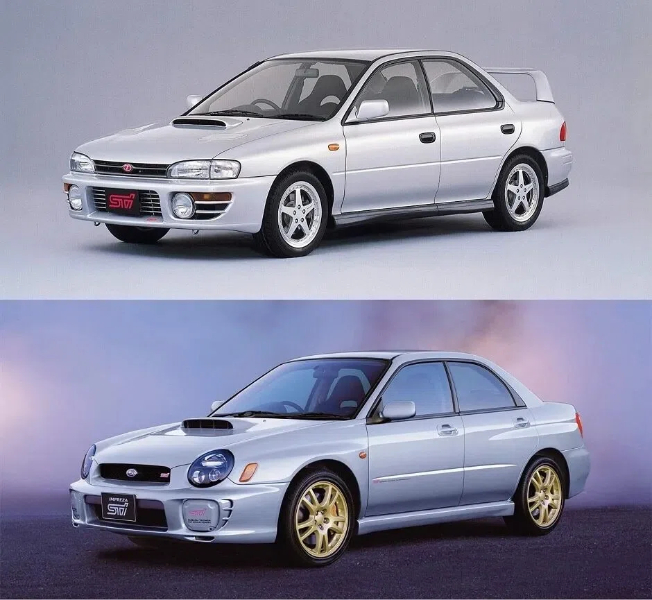
Global sedan sales dropped 12% in 2025 to 22 million units, wagons rose 8% to 4.5 million amid SUV fatigue. Hybrids dominate: 45% of sedans, 35% wagons.
Fuel efficiency edge: Wagons average 28 MPG vs sedans' 32 MPG, but cargo offsets city losses.
EV shift: New wagons like Volvo V60 Recharge offer 50-mile electric range, cutting costs 20% yearly.
Case: Australian fleets swapped sedans for wagons, boosting payload 40% without SUV premiums.
Beyond prices, total costs matter. Wagons save long-term via durability.
| Aspect | Sedan (5 yrs) | Wagon (5 yrs) |
|---|---|---|
| Purchase | $25,000 avg | $22,000 avg |
| Fuel | $8,500 | $9,200 |
| Maintenance | $4,000 | $4,500 |
| Insurance | $5,500 | $6,000 (heavier) |
| Resale Value | 55% retain | 60% retain |
| Total | $43,000 | $41,700 |
Data from Edmunds 2026 Ownership Study. Wagons cheaper for high-mileage users.
1. Assess Needs: City? Sedan. Family/gear? Wagon.
2. Budget Check: Factor insurance (wagons +10%) and fuel.
3. Test Drive: Load cargo in wagons; check sedan handling.
4. Inspect History: Odometer, accidents via CARFAX.
5. Negotiate: Wagons have more dealer stock, leverage 5-10% off.
Pro Tip: Hybrids like Prius cut taxes in EU/China markets.
| Category | Sedan Pros | Sedan Cons | Wagon Pros | Wagon Cons |
|---|---|---|---|---|
| Space | - | Limited trunk | Huge cargo, seats fold | Bulkier parking |
| Handling | Sporty, agile | Less family-friendly | Stable with AWD options | Heavier fuel use |
| Cost | Cheaper upfront | Poor hauls | Versatile value | Higher initial price |
| Style | Sleek, premium | Basic utility | Practical chic | Less "sexy" design |
Sedans for efficiency; wagons for life-stage flexibility.
Both score high: Sedans lead IIHS 2026 ratings (9/10 average); wagons match with AWD (Subaru 10/10). Wagons' height aids visibility, reducing rear crashes 15%.
Reliability: Toyota models top J.D. Power 2026 (Prius/Fielder: 85/100).
- Urban Commuters: Sedan – Park easy, fuel-sip.
- Families: Wagon – Kid gear, groceries.
- Outdoor Enthusiasts: Wagon – Bikes, surfboards.
- Executives: Luxury sedan – Status, comfort.
As KeyChain (keychainauto.com), China's top used commercial vehicle supplier, we focus on buses/trucks but see sedan/wagon trends inform passenger choices.
Ready to choose sedan or wagon? Contact KeyChain today at +8613572980919 or abbie@keychainventure.com. Visit keychainauto.com to browse high-performance used vehicles tailored for global needs. Start your smart purchase now!
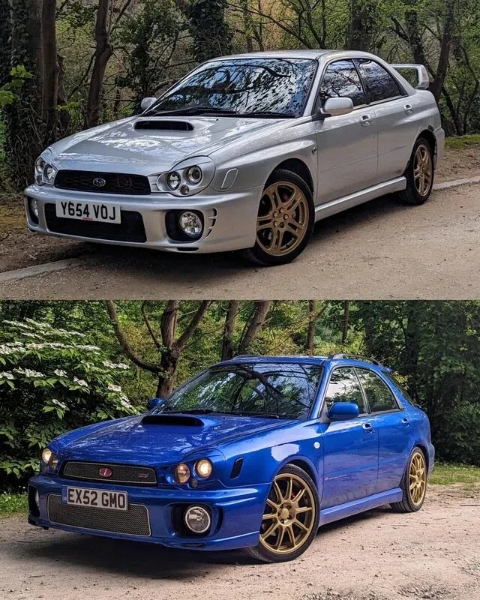
Wagons edge out with better resale (60% vs 55%) despite higher fuel, per 2026 studies.
Comparable, but wagons' AWD and height cut risks 15% in tests.
Toyota Corolla Fielder hybrid: Efficient, spacious under $16K used.
Sedans win cities (32 MPG); wagons even highways with cargo.
Yes, many like extended Legacy offer third row.


